


Understanding the Art of Documentary Videography and Documentary Filming Techniques
Documentary filmmaking is a unique form of storytelling. It captures real life, real people, and real moments. Unlike fictional films, documentaries aim to inform, inspire, and sometimes challenge the viewer. When I first started exploring this craft, I quickly realized it’s not just about pointing a camera and recording. It’s about understanding the story, the subjects, and the message you want to share. This post will guide you through the essentials of documentary filming techniques and how to approach this art form with care and creativity.
The Heart of Documentary Filming Techniques
Documentary filming techniques are the tools and methods used to tell true stories visually. These techniques help filmmakers create engaging, authentic, and meaningful content. Here are some key approaches I’ve found essential:
Observational Filming: This technique involves capturing events as they happen naturally, without interference. It’s about being a silent observer, letting the story unfold on its own. For example, filming a local market from a distance, catching candid moments of daily life.
Interviews: Interviews add depth and personal insight. They allow subjects to share their experiences and emotions directly. When filming interviews, I always focus on good lighting and a quiet environment to ensure clarity and intimacy.
B-Roll Footage: B-roll is supplementary footage that supports the main story. It can be scenes of the environment, close-ups of objects, or reactions. This footage helps to break up talking heads and adds visual interest.
Narrative Structure: Even though documentaries are based on real events, they still need a clear structure. I often plan a beginning, middle, and end to keep viewers engaged. This might mean starting with a question or problem, exploring it, and then offering resolution or reflection.
Use of Natural Light: Whenever possible, I prefer natural light. It gives a more authentic and warm feel to the footage. However, knowing when and how to supplement with artificial light is also important.
These techniques are not rigid rules but guidelines to help you tell your story effectively. Experimenting and adapting to your subject and environment is part of the creative process.

Crafting Your Story: Planning and Research
Before you even pick up a camera, planning is crucial. A well-researched story is the backbone of any successful documentary. Here’s how I approach it:
Identify Your Subject: What story do you want to tell? It could be about a person, a community, an event, or an issue. The subject should be something you care about or find compelling.
Research Thoroughly: Gather as much information as possible. Read articles, watch other documentaries, and talk to experts. This helps you understand the context and find unique angles.
Outline Your Story: Create a rough outline of the story arc. Think about the key moments you want to capture and the message you want to convey.
Scout Locations: Visit the places where you’ll be filming. Look for interesting backgrounds, lighting conditions, and potential challenges.
Prepare Your Equipment: Choose the right camera, lenses, microphones, and accessories. Make sure everything is ready to go on shoot day.
Planning doesn’t mean you have to stick rigidly to a script. Flexibility is important because real life can be unpredictable. But having a clear plan helps you stay focused and organized.
How much does a 30 minute documentary cost?
Budgeting is a big part of documentary filmmaking. Costs can vary widely depending on the scope, location, and resources. Here’s a breakdown of typical expenses for a 30-minute documentary:
Pre-Production: Research, planning, and scripting can cost between $1,000 and $3,000 depending on the complexity.
Equipment Rental: Cameras, lighting, and sound gear rental might range from $500 to $2,000 for the shoot duration.
Crew: Hiring a small crew (camera operator, sound technician, editor) can cost $3,000 to $10,000 or more.
Travel and Accommodation: If filming on location, travel expenses add up quickly. Budget $1,000 to $5,000 depending on distance and duration.
Post-Production: Editing, sound mixing, and colour grading typically cost between $2,000 and $7,000.
Miscellaneous: Permits, insurance, and other fees can add a few hundred to a few thousand dollars.
In total, a 30-minute documentary can cost anywhere from $7,000 to $30,000 or more. Of course, costs can be lower if you handle multiple roles yourself or use minimal equipment. Planning your budget carefully helps avoid surprises and ensures you can complete your project.
Tips for Capturing Authentic Moments
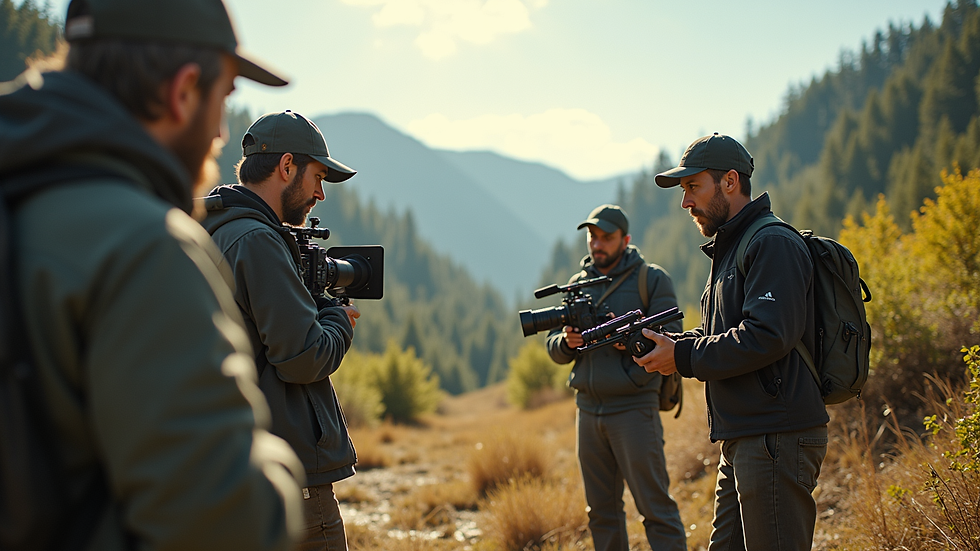
One of the most rewarding parts of documentary filming is capturing genuine moments that tell a story. Here are some tips I’ve learned to help you do just that:
Build Trust: Spend time with your subjects before filming. Let them get comfortable with you and your equipment. Trust leads to more natural behaviour on camera.
Be Patient: Sometimes the best moments happen when you least expect them. Stay ready and keep filming, even during quiet times.
Use a Small Crew: A large crew can be intimidating and disrupt the natural flow. A small, unobtrusive team helps keep the environment relaxed.
Listen Carefully: Pay attention to what your subjects say and how they say it. Their stories often reveal the most powerful visuals.
Shoot Continuously: Don’t stop and start too often. Continuous shooting captures the flow of events and emotions better.
Respect Privacy: Always ask permission and respect boundaries. Ethical filmmaking builds respect and credibility.
By focusing on authenticity, your documentary will resonate more deeply with viewers and create a lasting impact.
Bringing Your Documentary to Life with Editing
Editing is where your story truly comes together. It’s the process of selecting, arranging, and refining your footage to create a compelling narrative. Here’s how I approach editing:
Organize Your Footage: Label and sort your clips by scene, subject, or theme. This makes it easier to find what you need.
Create a Rough Cut: Start by assembling the main scenes in order. Don’t worry about perfection yet; focus on the story flow.
Add B-Roll and Sound: Insert supporting footage and background sounds to enhance the story and cover cuts.
Refine the Pace: Adjust the timing of shots to keep viewers engaged. Too slow can be boring; too fast can be confusing.
Include Music and Narration: Use music to set the mood and narration to provide context or commentary.
Get Feedback: Show your rough cut to others and listen to their input. Fresh eyes can spot issues you might miss.
Final Touches: Colour correction, sound mixing, and titles polish your documentary and give it a professional finish.
Editing is both a technical and creative process. Take your time and enjoy shaping your story into its best form.
Embracing the Power of Visual Storytelling
Documentary filmmaking is more than just recording events. It’s about connecting with people and sharing stories that matter. Whether you’re capturing a community’s traditions, highlighting an important issue, or celebrating a personal journey, your work can inspire change and understanding.
If you want to explore this art further, consider learning more about documentary videography. It’s a rewarding path that combines creativity, empathy, and technical skill.
Remember, every great documentary starts with a story worth telling and a passion to bring it to life. So grab your camera, be curious, and start capturing the world around you.
Happy filming!


Comments